Multi-Doctor Scheduling
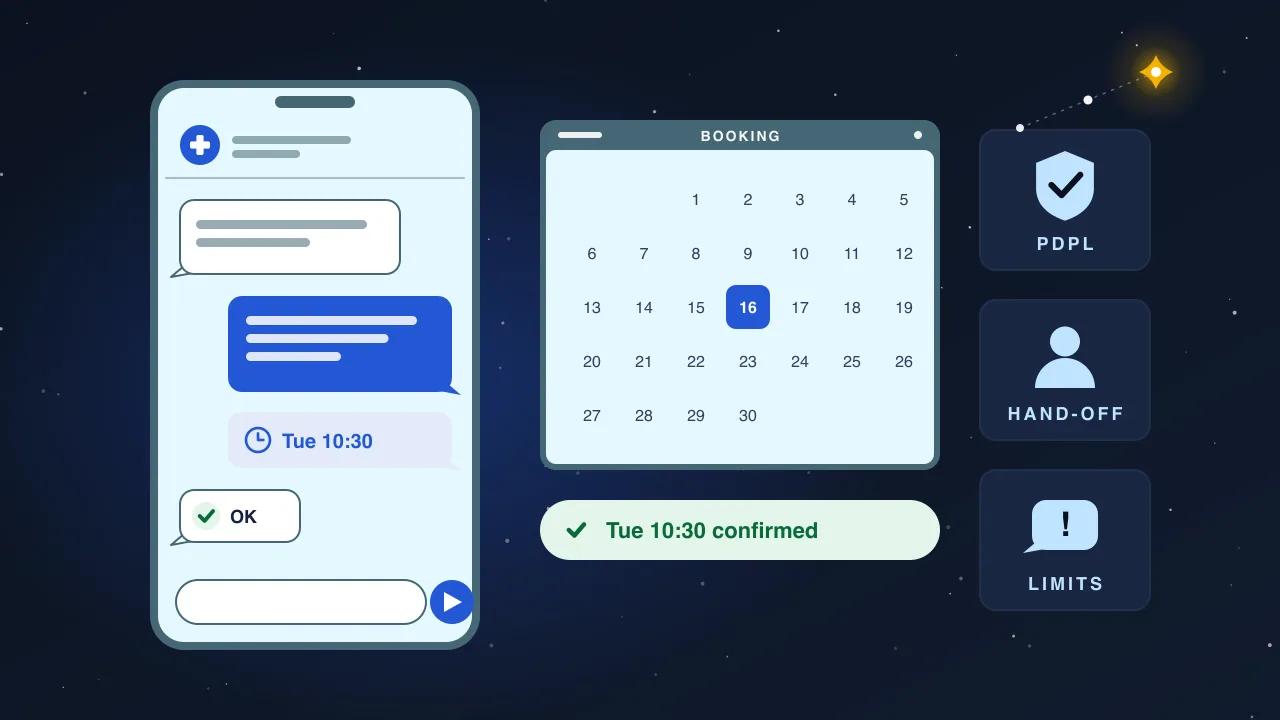
Services, working hours, override dates, waitlists and recurring visits per doctor, with a booking flow patients complete on a phone or through the WhatsApp assistant.
Scheduling first, then records, invoicing and a portal, one module at a time. The first module is priced on this page; the rest are scoped after we map the clinic.
Off-the-shelf clinic software makes the practice fit the software, and a marketplace makes the patient belong to the marketplace. A clinic owner told us he wanted someone to close every loophole between reception, the examination room and the cash drawer. This system starts from how your doctors book, see, record and bill, and builds those steps one module at a time: multi-doctor scheduling with WhatsApp reminders first, then patient records with the intake forms you actually use, invoicing in the ZATCA format, a patient portal, and test and medication catalogues. Hosted where health data must stay, with an audit trail on every change. It never diagnoses and never suggests treatment.
Services, working hours, override dates, waitlists and recurring visits per doctor, with a booking flow patients complete on a phone or through the WhatsApp assistant.
Configurable forms per specialty, test and medication catalogues, and an audit trail on every change to a record.
Confirmations and reminders on WhatsApp through a provider, and invoices that feed your accounting or e-invoicing tool.
Sign-in, appointments, documents and messages, in Arabic and English, on a phone.
Hosted in the jurisdiction health data must stay in, PDPL-conscious handling, backups and monitoring under the maintenance plan.
A clinic assistant should do four things well: book, remind, answer the practical questions, and hand the rest to a person with the conversation attached. Everything clinical is the rest. Here is the checklist we build against.
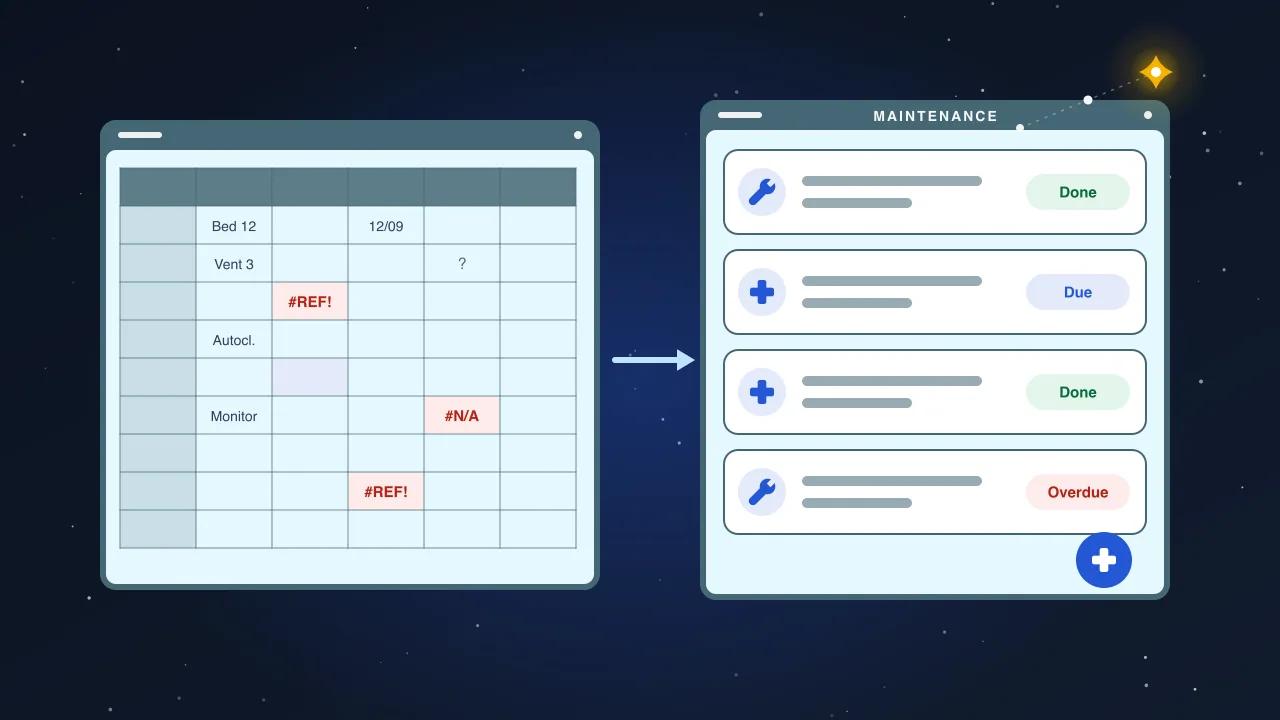
Read MoreSpreadsheets are the right tool until the day three people edit the same one, nobody knows which version is true, and a missed row costs money. This is how to tell when that day has come, and what to build instead.
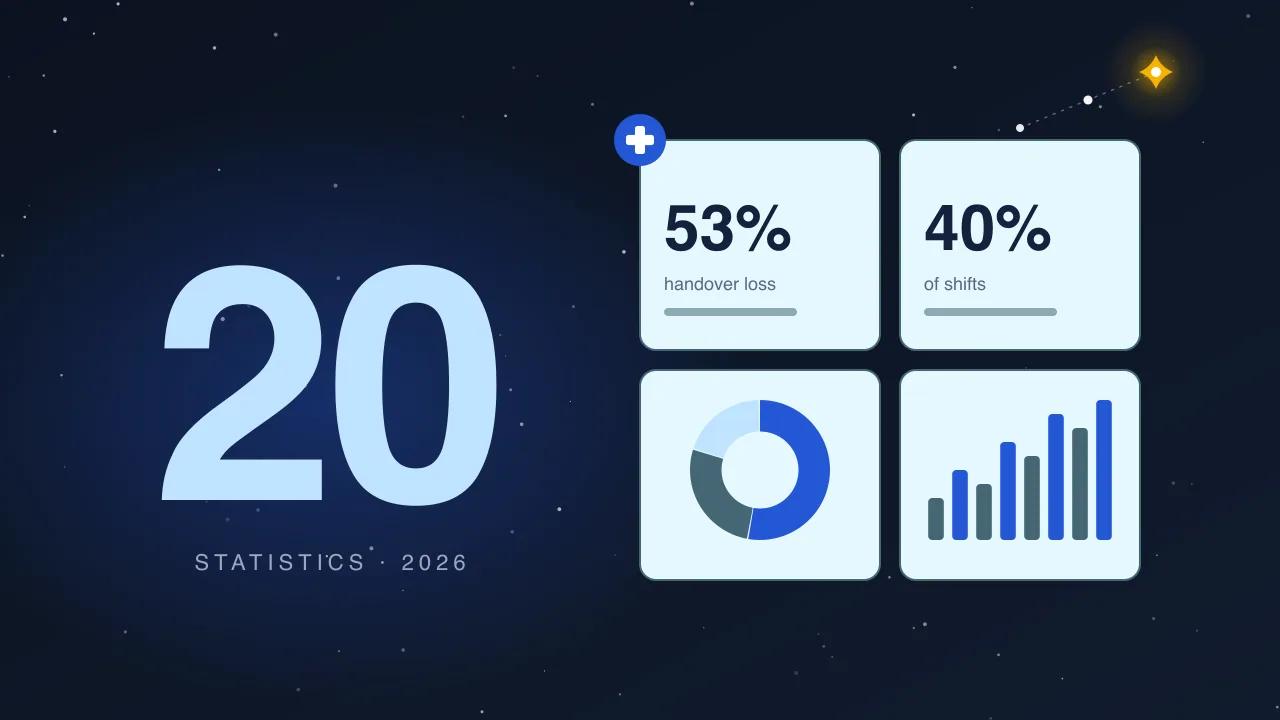
Read MoreOne line per statistic, with the source, the date and what kind of study produced it, so you can cite it without reading forty pages. Updated quarterly.
Read MoreBecause a clinic cannot stop to migrate everything at once. Scheduling and reminders go live first and pay for themselves in staff hours; records, invoicing and the portal follow in the order your clinic needs, each with a fixed price.
Not yet. Claims submission through NPHIES is a certification project we plan with a partner, and we say so on its page. The records and invoices are structured so the claim can be built from them when it is.
It is the scheduling, records and billing layer your practice actually uses. It does not diagnose, suggest treatment or score risk. Where AI is involved, for example a consultation note dictated through voice to clinical record, it runs inside the five checks and a person signs every record.
The booking and records domain of a clinic platform: multi-doctor schedules with working hours and override dates, configurable patient forms, test and medication catalogues and a patient portal; a clinic website with session booking that is live; and our own clinical documentation product, tested with 15 clinicians. No complete clinic system has a public case study yet, and we say so.
We maintain the system under the maintenance plan, with timestamped releases, rollback, backups and runbooks. If you ever want the code in-house, a buyout is quoted per project.
Describe how one visit runs today, from booking to invoice. You get a written map of the modules, where the data must live, and a fixed price for the first one.
Prefer to talk? Message us on WhatsApp